고정 헤더 영역
상세 컨텐츠
본문 제목
The Great Transformation of NAVER Search Survival Strategies for Digital Marketers Heading into 2026
본문
Why This Matters Now
What do Google and NAVER have in common today?
Both platforms are fundamentally redesigning search around trust, expertise, and authenticity to combat the explosion of low-quality AI-generated content. As generative AI tools flood the web with duplicated, inaccurate, and intent-less content, search engines are shifting their priorities—from volume and virality to credibility and value.
Google enforces this through its E-E-A-T framework, while NAVER has introduced a more aggressive, LLM-driven system called AuthGR, designed to filter AI spam in real time and reward authoritative creators.
For digital marketers operating in Korea, this shift is not incremental—it is existential.
2026 will mark a clear divide between brands that adapted early and those that relied on outdated traffic-driven tactics. This article breaks down NAVER’s transformation and outlines how marketers should respond.
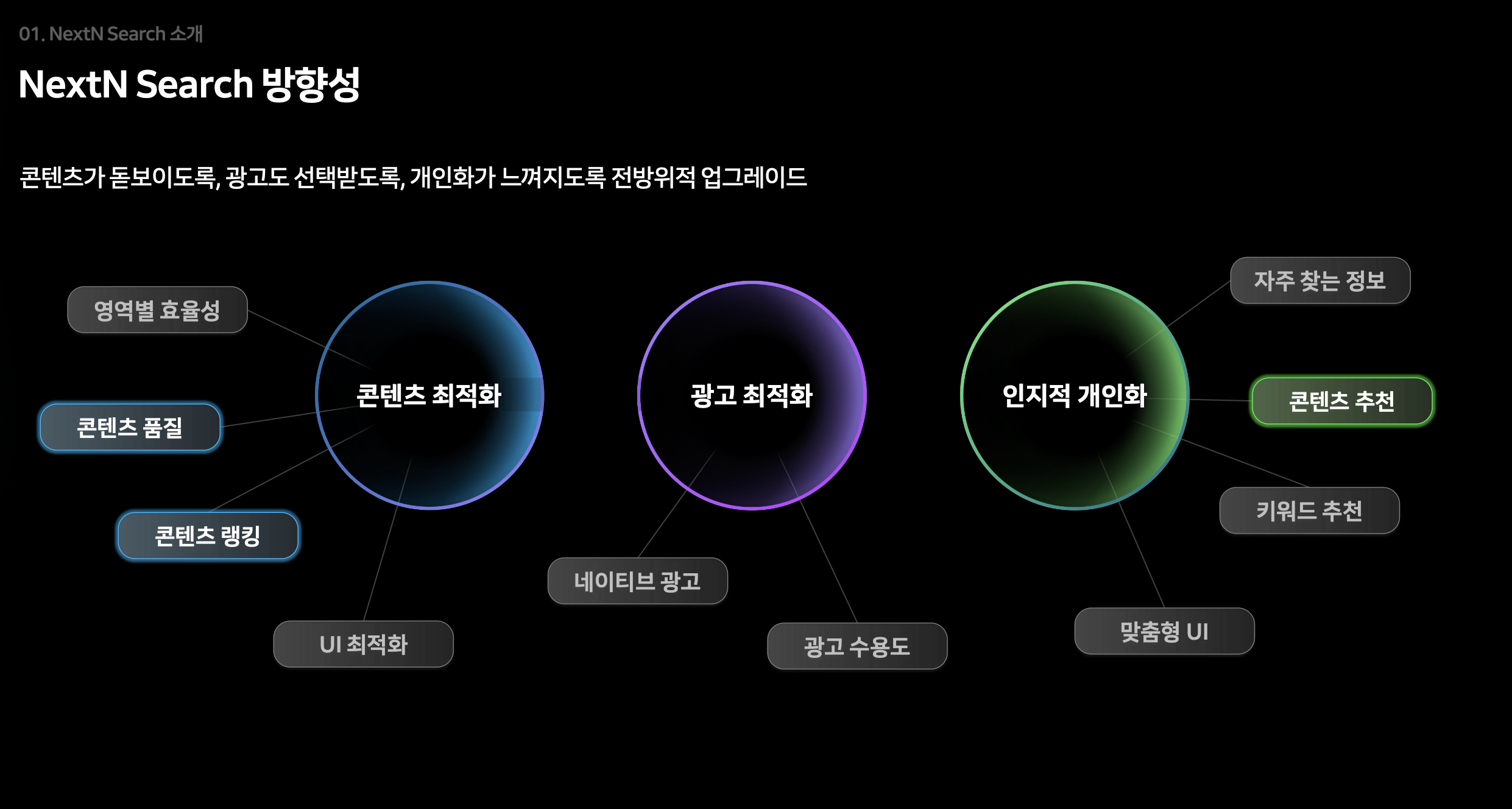
The AI Revolution in NAVER Search: What Is Next N Search?
NAVER has been rolling out Next N Search since late 2025, representing a structural overhaul of its entire search pipeline from crawling and indexing to ranking and presentation.
This is not a UI update. It is a philosophical shift.
Core Components of Next N Search
- AI Briefing
Summarizes search intent and key answers directly within results. - Neural Matching
Understands semantic meaning beyond keywords. - Unified Document Ranking
Ranks content based on credibility, not engagement metrics. - AuthGR (Authority-aware Generative Retriever)
Evaluates author credibility and source reliability using LLMs.
Unlike the past, NAVER is no longer asking “What content gets clicks?”
It is asking “Who is qualified to answer this?”
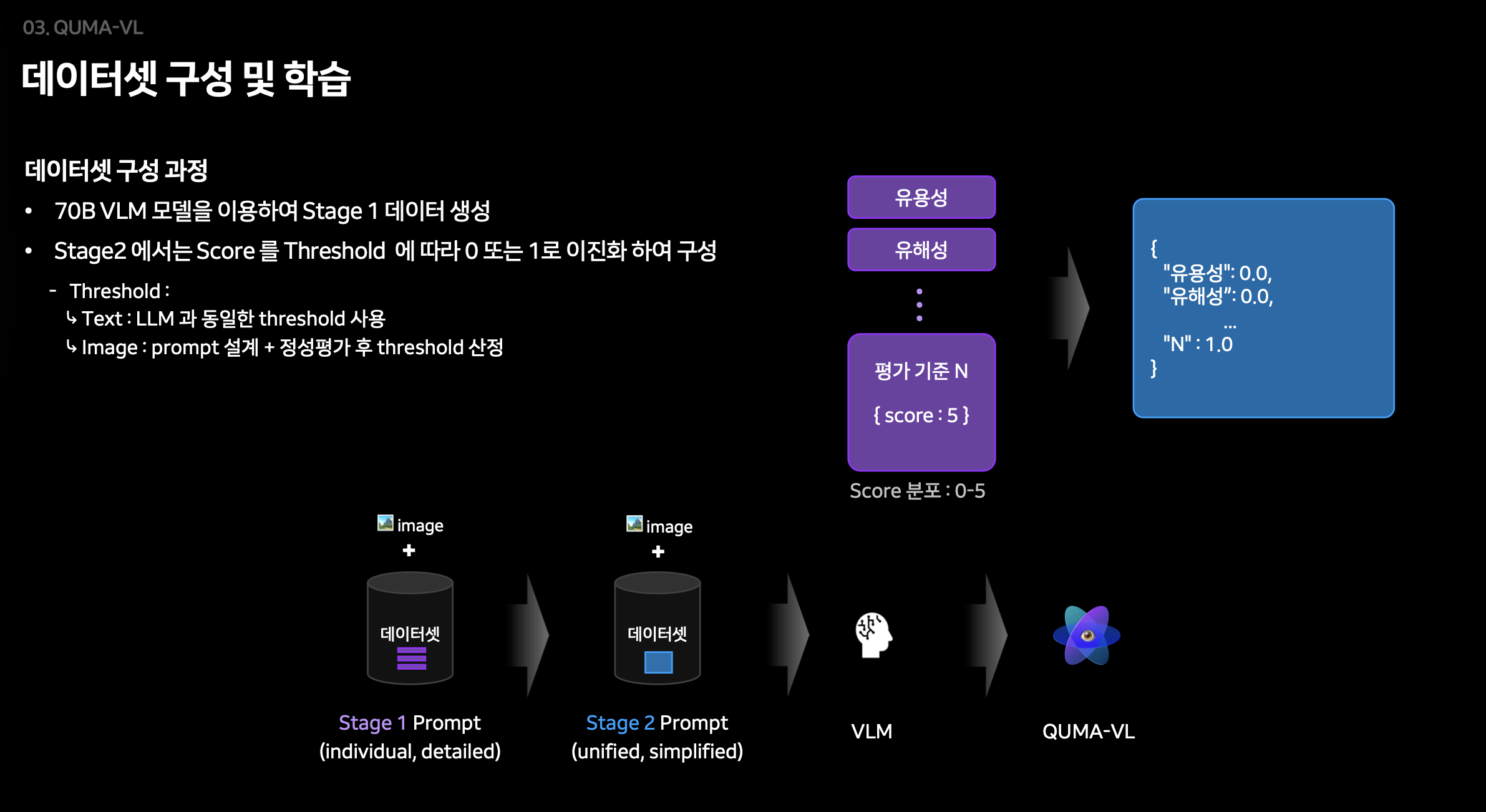
Multimodal Integrity: QUMA-VL
NAVER also introduced QUMA-VL, a vision-language model that evaluates text–image consistency.
Example:
An interior design article paired with irrelevant landscape images may now be penalized even if the text itself is solid.
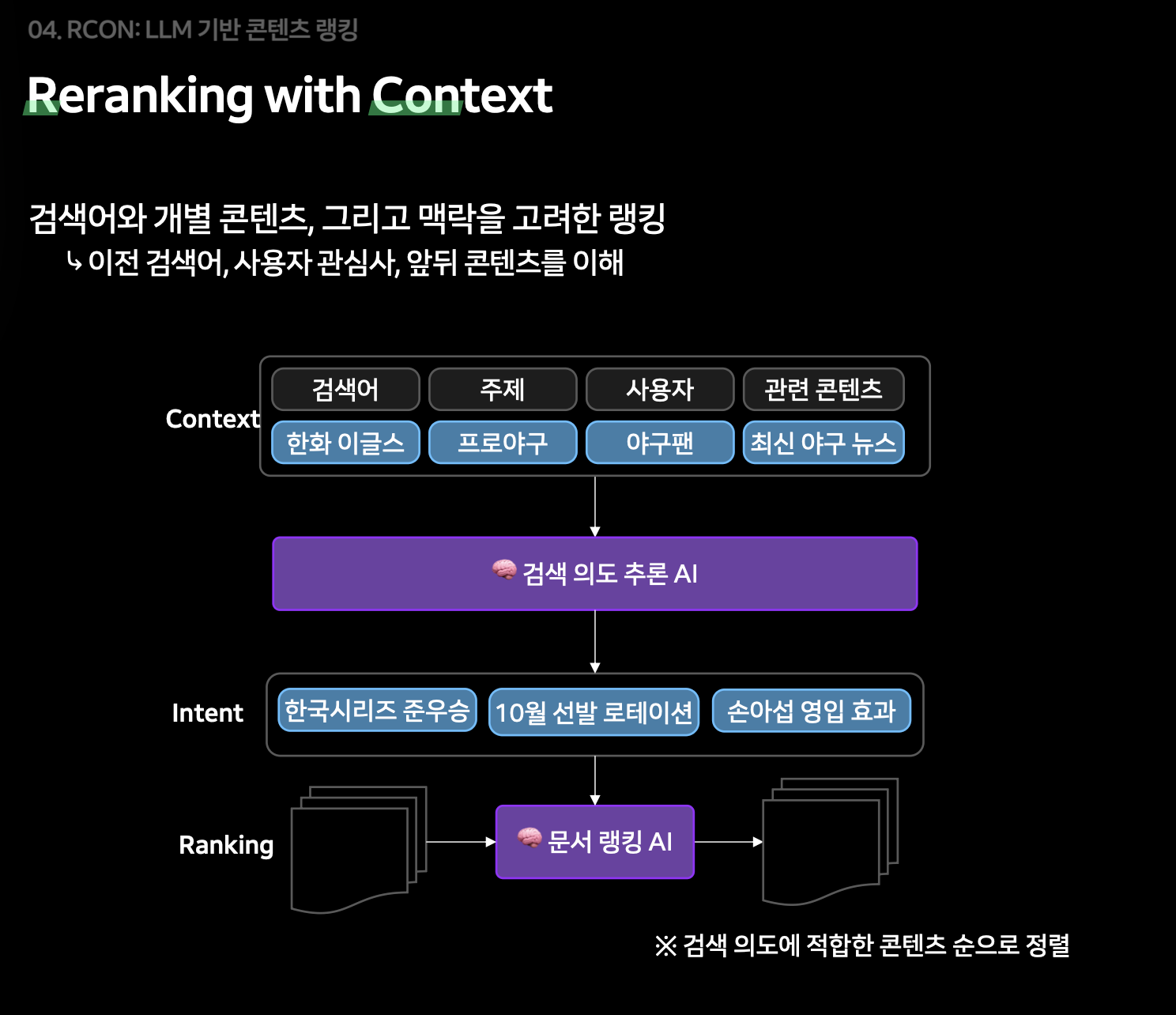
Contextual Ranking: RCON
With RCON (Reranking with Context), NAVER decomposes search intent into sub-intents.
A search for “IU” prioritizes:
- Concert schedules
- New releases
- Official announcements
Promotional or click-driven content is automatically pushed downward.
NAVER reports measurable improvements:
- +1.93% average dwell time
- +1.34% CTR
The implication is clear: The era of “pageview-driven blogging” is over.
NAVER SEO in the AI Era: Critical Pitfalls to Avoid
NAVER’s AI-centric system demands a structural reset of content strategy.
1. Author & Source Credibility Comes First
AuthGR evaluates long-term topical authority, not isolated posts.
- Avoid keyword stuffing
- Avoid mass AI-generated content
- Strengthen author profiles, expertise history, and thematic focus
Visibility without credibility is now a liability.
2. Text–Image Consistency Is Non-Negotiable
QUMA-VL penalizes mismatched visual elements.
- Every image must support the narrative
- Captions, data visuals, and context alignment matter
Multimodal content is no longer decoration—it is signal.
3. Search Intent > Commercial Intent
RCON prioritizes informational clarity over promotional tone.
- Long-tail queries outperform generic keywords
- Value-first content ranks higher than conversion-first content
Advertising-heavy articles are automatically demoted.
4. Mobile & Media Optimization
NAVER’s app-first ecosystem rewards:
- Fast loading
- Updated content
- Strong user feedback loops
Freshness and usability are now ranking variables.
Content That Survives: “Quality Creates Traffic”
NAVER is actively filtering out low-quality content. What remains visible follows clear patterns.
High-Performing Content Types
1. Deep Expertise Content
Long-form guides, case studies, and thematic series outperform isolated posts.
2. Problem-Solving Content
How-to guides, comparisons, and frameworks aligned with real user needs.
3. Multimodal Consistency Content
Infographics, videos, and data-backed visuals aligned with text intent.
4. Korea-Specific Contextual Content
Cultural relevance, local trends, and Korean-language nuance matter more than ever.
5. Credible Source-Linked Content
Official references increase AI Briefing citation probability.
Actionable NAVER Search Strategies for 2026
1. Audit and Rebuild Existing Content
Evaluate all content against:
- AuthGR credibility signals
- QUMA-VL consistency
- Topical focus depth
2. Test AI Briefing & Context Ranking
Structure content for summarization:
- Clear headers
- Bullet logic
- Source clarity
3. Optimize with Data, Not Assumptions
Track:
- Dwell time
- CTR
- Engagement patterns
Iterate through A/B testing.
4. Build Authority Through Collaboration
- NAVER Knowledge iN
- Expert interviews
- Community citations
Authority compounds.
5. Invest with a Long-Term Roadmap
Shift budget from volume production to:
- Content quality
- Expert validation
- AI-assisted optimization tools
AuthGR Explained: NAVER’s Core AI Engine
AuthGR (Authority-aware Generative Retriever) marks a fundamental evolution:
From retrieving relevant documents to generating rankings based on trust.
How AuthGR Works
- LLM-Based Evaluation
- Prioritizes author identity, history, and subject mastery.
- AI Spam Filtering
- Automatically demotes low-quality or automated content.
- Ranking Integration
- Applied across all search stages, not post-processing.
AuthGR benefits professional creators—but poses real risk for unfocused blogs.

Google E-E-A-T vs. NAVER AuthGR: Key SEO Insights
Shared Philosophy
Both systems aim to solve the same problem:
AI-generated content pollution.
They reward:
- Originality
- Expertise
- User-centric value
Key Differences
| Factor | Google E-E-A-T | NAVER AuthGR |
| Evaluation | Human-guided framework | Fully AI-driven |
| Impact | Indirect ranking signal | Direct ranking control |
| Focus | Global authority | Korean ecosystem |
| Strength | Backlinks & experience | Author history & credibility |
The Strategic Shift: From SEO to Search Ecosystem Optimization
One truth is now unavoidable:
A single piece of content can no longer win alone.
Ranking at the top now requires:
- Author credibility
- Platform alignment
- Multimodal integrity
- Community trust signals
This is no longer SEO.
This is Search Ecosystem Optimization.
Final Thought
NAVER’s transformation is both a threat and an opportunity.
For marketers who adapt early—by prioritizing trust, expertise, and long-term value—2026 will not be a survival challenge, but a growth inflection point.
The question is no longer “Can your content rank?”
It is:
“Does your content deserve to be trusted?”
[All content] - 1089MEDIA SEO(Search Ecosystem Optimization) Services for the Korean Market
1089MEDIA SEO(Search Ecosystem Optimization) Services for the Korean Market
Search Engine Landscape in KoreaIn Korea, internet users widely utilize search engines to obtain information. Particularly, NAVER holds an overwhelming position domestically. NAVER deeply ingrains itself in the daily lives of Koreans, providing convenient
1089media.com
Key References
- Flâneur Archives - 네이버 검색 대변화-2026년 디지털 마케터를 위한 생존 전략
- NAVER DAN25 – Next N Search
- NAVER DAN25 – LLM Optimization for Search


댓글 영역